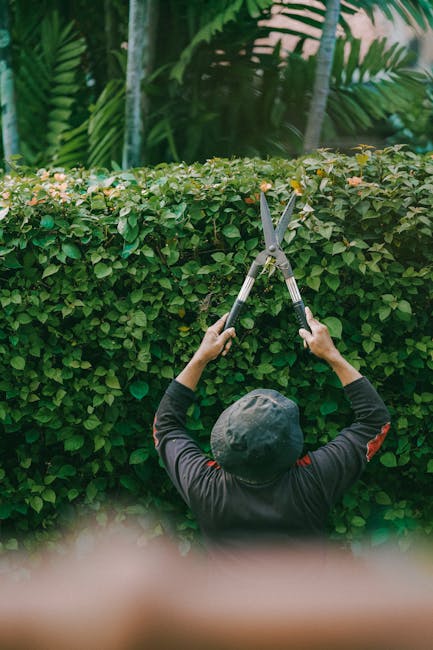
Hayes gardeners near Hayes Station top local maintenance tips
If you live or work around Hayes Station, garden upkeep can feel like one of those jobs that never really stops. Rain one week, dry patches the next, a hedge that suddenly looks three inches too bold by Friday afternoon - sound familiar? This guide on Hayes gardeners near Hayes Station top local maintenance tips is built for exactly that kind of everyday reality. It brings together practical local know-how, sensible maintenance routines, and a few small decisions that make a big difference over time.
Whether you manage a compact front garden, a family space that gets plenty of foot traffic, or a larger property that needs regular care, the aim is simple: keep things healthy, tidy, and manageable without wasting time or money. You'll also find naturally useful links to related services and guides, including garden maintenance support, lawn care advice, and a practical look at protecting your garden from weather-induced havoc.
Truth be told, good maintenance is rarely about doing more. It's about doing the right things at the right time, and not letting small issues turn into a weekend-eating mess.
Table of Contents
- Why this local maintenance approach matters
- How the maintenance routine works
- Key benefits and practical advantages
- Who this is for and when it makes sense
- Step-by-step guidance
- Expert tips for better results
- Common mistakes to avoid
- Tools, resources and recommendations
- Law, compliance, standards and best practice
- Options, methods and comparison table
- Case study or real-world example
- Practical checklist
- Conclusion
- Frequently asked questions
Why Hayes gardeners near Hayes Station top local maintenance tips Matters
Gardens near a station area often face a slightly awkward mix of conditions. You may get more dust from passing traffic, more compacted soil on narrow plots, more shade from buildings or fencing, and a bit less time to fuss over things because life is busy. That combination is exactly why local maintenance advice matters. One-size-fits-all gardening tips can work in theory, but in practice they often miss what matters most: drainage, access, mowing patterns, hedge growth, and keeping the space presentable with realistic effort.
Local gardeners also tend to spot the same recurring issues. Lawns can suffer from worn paths where people cut across the same spot. Beds become weedy after a wet spell. Shrubs push into walkways faster than expected. And patios near entrances pick up grime and algae surprisingly quickly, especially in shaded corners. If you've ever looked out on a damp morning and thought, "Right, that needs sorting," you're not alone.
The value of this topic is not just aesthetics. A well-maintained garden is easier to use, safer to walk through, and less expensive to restore later. Once a hedge becomes overgrown or a lawn thin and patchy, the repair job is usually more involved than regular upkeep would have been. That's why many homeowners around Hayes prefer a steady routine over occasional big clear-outs. It keeps the place calm. And frankly, calmer gardens are easier to enjoy.
For deeper reading on tidy boundaries and growth control, the guide on expert hedge trimming tips is especially useful, while hedge trimming in Hayes covers the service side if your hedges are starting to take charge of the situation.
How Hayes gardeners near Hayes Station top local maintenance tips Works
The core idea is straightforward: break garden care into repeatable jobs that match the seasons, the layout of the garden, and how the space is actually used. That's the real secret. Not glamorous, but it works.
A maintenance plan for a Hayes property near the station usually starts with observation. Where does water sit after rain? Which parts of the garden get the most shade? What gets walked on most often? Which plants are thriving, and which are clearly sulking? Once those answers are clear, the routine can be built around them.
In practical terms, a reliable local maintenance cycle often includes:
- regular lawn mowing and edging
- weed control before it becomes a full-blown job
- hedge trimming at the right time of year
- pruning and deadheading to keep plants moving
- checking for pests, disease, or storm damage
- light patio and path cleaning to reduce slippery buildup
- soil improvement where beds are tired or compacted
It helps to think of maintenance in layers. Weekly jobs keep things neat. Monthly jobs protect plant health. Seasonal jobs prevent bigger headaches later. If that sounds like common sense, well, it is - but a lot of garden problems happen because the small stuff gets ignored.
Local knowledge also matters when choosing planting and hard landscaping. For instance, if a border stays damp, a ground cover solution may be smarter than constantly fighting bare soil. The article on ground cover plants for UK spaces is a good example of a low-fuss approach that works well in real gardens, not just tidy catalogues.
Key Benefits and Practical Advantages
Good maintenance does more than keep a garden looking presentable. It changes how the space behaves. That's the bit people often miss.
- Healthier grass and planting: consistent care reduces stress on lawns, shrubs, and borders.
- Less emergency work: you avoid the dreaded "it got away from us" weekend.
- Better first impressions: tidy edges, trimmed hedges, and clean paths make a property feel cared for.
- Improved safety: fewer slippery surfaces, fewer trip hazards, and better sightlines.
- Smarter spending: regular upkeep is usually cheaper than restoration.
- More usable outdoor space: a garden that is easy to move through gets used more often.
There's also a subtle but real emotional benefit. When a garden is in shape, you notice it. You step outside with a cup of tea and feel like you've got a bit of breathing room. That matters, especially in busy parts of London where outdoor space is precious.
For many households, the biggest practical win is predictability. Instead of guessing whether the grass needs cutting or the hedge needs a trim, the work follows a routine. That means fewer surprises and less stress when guests are coming, tenants are changing over, or you're simply trying to keep a family garden from turning into a jungle with opinions.
Who This Is For and When It Makes Sense
This kind of local maintenance approach suits a wide range of people. You do not need to be an expert gardener to benefit from it. In fact, the less time you have, the more helpful a structured plan tends to be.
- Homeowners who want a tidy, healthy garden without constant catch-up jobs.
- Landlords and letting agents who need outdoor spaces to stay presentable between tenancies.
- Busy families where the garden sees heavy use and needs regular tidying.
- Older homeowners who prefer safe, manageable maintenance rather than heavy work.
- New gardeners who need simple routines and clear priorities.
It makes especially good sense if your property has any of the following: shaded lawn areas, hedges near boundaries, awkward side return spaces, a lot of leaf fall, a patio that gets slippery, or planting that has grown a bit too enthusiastically. The solution does not have to be dramatic. Sometimes it's just a disciplined mow, a prune, a weed pull, and a bit of soil care. Small jobs. Regularly. That's the whole thing.
If you're starting from scratch, the beginner-friendly guide gardening 101 tips for new gardeners can help you build confidence without overcomplicating the basics.
Step-by-Step Guidance
Here's a practical maintenance process that works well for gardens around Hayes Station and similar urban-residential settings.
- Walk the garden slowly. Look for worn patches, weeds, dead growth, overhanging branches, blocked drains, and surfaces that stay wet longer than they should.
- Sort the priority jobs first. Safety and plant health beat cosmetic work. Deal with slippery paving, broken branches, or severe congestion before you worry about perfect edges.
- Cut back growth in the right order. Start with hedges and shrubs, then tackle beds, then lawns and hard surfaces. Otherwise you'll just be mowing twice.
- Feed the soil. Healthy soil makes almost everything easier. Compost, mulch, or other organic matter helps restore tired beds and improves moisture retention.
- Repair the lawn. Rake out thatch, overseed thin patches, and water sensibly in dry spells. For a focused look at this, see lawn care and the article on keeping lawns healthy while away.
- Clear hard surfaces. Sweep paths, clean patios, and remove moss or algae before it becomes slippery and stubborn.
- Control climbers and self-seeders. Ivy, bindweed, and fast climbers can spread into gaps and fences fast. The guide to removing ivy permanently is worth a read if one wall is starting to look like it belongs in a different decade.
- Reset the schedule. Decide what needs weekly, monthly, and seasonal attention. Write it down if you need to. Honestly, a tiny note on your phone can save hours later.
A good rule is to finish each session by asking: what will be hardest to fix if I leave it another month? That question keeps maintenance sensible. Not perfect, sensible.
Expert Tips for Better Results
The best local maintenance tips are usually the unflashy ones. The things that seem almost too simple are often what make the biggest difference over a season.
1. Mow little and often, not brutally
Cutting too much grass in one go weakens the lawn. A gentler approach leaves the turf stronger and more even. If you've ever heard that dry, scratchy sound of a stressed mower forcing its way through long grass, you'll know what I mean. It's never a good sign.
2. Keep edges crisp
Edges are a small detail with a large visual payoff. A neatly defined lawn edge instantly makes the whole garden feel looked after, even if the beds are still a bit wild. This is one of those tasks that gives you a visible win fast.
3. Match plants to conditions, not hopes
People often buy plants they love, then try to persuade them to live in the wrong place. Shade-loving climbers, drought-tolerant border plants, or ground cover in awkward corners usually perform better than "statement" plants that need more pampering than a housecat.
Useful supporting ideas can be found in evergreen climbers for shade and creating your own herb oasis.
4. Don't ignore drainage clues
Dark patches, soft soil, moss, and puddling after rain often point to compaction or drainage issues. If the same corner remains waterlogged, repeated mowing or replanting won't solve it on its own. Sometimes the fix is simple; sometimes it points to a bigger layout decision. A little honesty here saves money.
5. Build resilience before the weather tests you
Hayes weather can be a mixed bag. Strong wind, heavy rain, and sudden dry spells all ask different things from a garden. If you know a storm is coming, secure pots, avoid pruning vulnerable growth immediately beforehand, and check that anything tall or top-heavy is supported. Related reading such as guarding your garden against wind and protecting against weather damage can help you think ahead.
6. Keep one eye on the fence line
Sometimes the garden is fine, but the boundary is not. Rotten posts, leaning panels, or climbing plants pushing into timber can create maintenance headaches that spread quickly. If a boundary needs attention, it often makes sense to review fencing support at the same time as garden clean-up work.
Common Mistakes to Avoid
Most garden maintenance mistakes are not dramatic. They're just a little careless, then suddenly expensive. The usual suspects are easy to spot once you've seen them a few times.
- Leaving weeds too long: mature weeds root deeper and spread seeds everywhere.
- Over-pruning: hacking back shrubs too hard can leave them stressed and uneven.
- Ignoring dead patches in lawns: small bare spots become larger gaps if they are left alone.
- Using the wrong tool: dull blades and blunt shears tear growth instead of cutting cleanly.
- Cleaning hard surfaces too late: moss and algae are harder to remove once they settle in.
- Forgetting seasonal timing: some jobs are best done at specific times, especially pruning and hedge cutting.
One sneaky mistake is trying to do everything at once. That sounds productive, but it often leads to half-finished jobs and sore shoulders. Better to prioritise. Finish the critical work, then decide whether the rest can wait until next week.
Another common issue is letting a "temporary" overgrowth become permanent. A few months pass, then a hedge is blocking light, a path is narrowing, and a patio corner has turned into a mossy postcard. If that sounds uncomfortably familiar, finding purpose in overgrown greenery may be a helpful reset.
Tools, Resources and Recommendations
You do not need a van full of kit to maintain a good garden. A small, sensible toolset usually beats a large pile of gadgets that mostly gather dust in the shed.
For most homes near Hayes Station, the essentials are:
- sharp secateurs
- hedge shears or a hedge trimmer
- a reliable lawn mower
- gloves with proper grip
- a stiff broom or patio brush
- a hand fork and trowel
- a watering can or hose with a sensible spray setting
- basic bags or tubs for green waste
If you're unsure what to buy first, the guide to must-have gardening tools is a practical starting point. For more specialised jobs, such as a garden overhaul or a hardscape refresh, it may be more efficient to use a professional service rather than buy equipment you'll rarely need.
Related services that fit into a maintenance plan include lawn mowing, patio cleaning, tree surgery, and broader gardening services. If the whole space needs a reset, landscaping may be the better route.
There's also a useful planning angle. If your garden uses containers, mixed borders, or small paved areas, the article on container gardening essentials can help you keep things tidy without overcommitting to heavy maintenance.
Law, Compliance, Standards and Best Practice
Garden maintenance is mostly about practical care, but there are still a few standards and responsibilities worth keeping in mind. Nothing dramatic. Just sensible, grown-up stuff.
If you're maintaining hedges, trees, fences, or shared boundaries, it's wise to be careful around property lines and neighbouring land. In London, overhanging branches, hedge encroachment, and access issues can become awkward if they are ignored. If in doubt, check ownership, communicate clearly, and avoid cutting anything that belongs to someone else without agreement.
For safety, especially with ladders, chainsaws, hedge cutters, or larger tree work, professional practice should include proper risk assessment, suitable protective equipment, and awareness of nearby people, pets, and vehicles. If a task feels uncomfortable or unsafe, it probably is. That's not being cautious for the sake of it; that's just common sense wearing work boots.
Useful trust and policy pages on the site include insurance and safety, health and safety policy, terms and conditions, payment and security, and modern slavery statement. They help build confidence if you're comparing providers.
When hiring help, it's also reasonable to ask about access, timing, waste handling, and how they work around pets or family use. A good gardener will answer plainly. No fluff, no mystery. That's usually a good sign.
Options, Methods, or Comparison Table
Not every garden needs the same approach. Some spaces benefit from regular light-touch maintenance, while others need a deeper seasonal reset. Here's a simple comparison to help you decide what fits best.
| Method | Best for | Strengths | Watch-outs |
|---|---|---|---|
| Weekly light maintenance | Small to medium gardens, busy homes | Keeps things neat, low stress, fewer surprises | Needs consistency; easy to skip if life gets hectic |
| Seasonal maintenance visits | Gardens that only need occasional bigger work | Good for pruning, clean-ups, and resets | Small issues can build between visits |
| Full garden maintenance service | Overgrown or complex gardens | Comprehensive, efficient, tidy finish | May be more than you need for a simple space |
| Targeted service only | Specific problems like hedges, lawns, or patios | Focused, cost-aware, practical | Doesn't solve wider garden issues on its own |
In many real-world cases, the best approach is a blend. For example, you might maintain the lawn regularly, get hedges done professionally when needed, and book patio cleaning when the surface starts looking dull or unsafe. That mix is often the sweet spot.
Case Study or Real-World Example
Here's a simple real-world style example. A typical terraced property near Hayes Station has a compact rear garden with a lawn, two borders, a narrow path, and a hedge at the back. At first glance it looks easy. Then the hedge surges, the border weeds seed themselves everywhere, and the lawn starts thinning where people cut across to the washing line. Happens all the time.
The maintenance fix is not complicated. First, the hedge is trimmed back to restore light and space. Then the lawn is cut at a healthier height and the worn path edge is redefined. Next, weeds are removed before they mature, and the soil in the borders is topped up with organic matter to improve structure. Finally, the patio is swept and cleaned so the whole garden feels finished, not just "handled."
The difference is immediate. The space looks bigger. It feels safer underfoot. And, maybe most importantly, the owner stops avoiding the garden because it no longer feels like a project that might bite back. That's the kind of result good maintenance gives you.
For a more ambitious overhaul, combining tidy-up work with ideas from affordable gardening ideas can help stretch the budget without making the result look cheap. Cheap and cheerful is fine. Cheap and chaotic, less so.
Practical Checklist
Use this quick checklist to keep your garden on track through the year.
- Weekly: mow if needed, water containers, remove visible weeds, and sweep paths.
- Monthly: inspect hedges, check for pests, deadhead flowers, and review lawn health.
- Seasonally: prune correctly, top up mulch, clean patios, and assess drainage.
- After storms: check branches, secure pots, and clear debris before it causes damage.
- Before holidays: plan watering, mow appropriately, and make sure vulnerable plants are protected.
- Before winter: tidy tender growth, protect pots, and keep surfaces clear of slippery buildup.
- At least once a year: review whether any area needs repair, redesign, or professional support.
A tidy garden is not the same as a healthy garden. The best maintenance keeps both in view, even if one week is mostly about weeds and the next is all about the lawn.
Conclusion
Hayes gardens near the station benefit from a maintenance approach that is local, realistic, and repeatable. Keep the routine simple enough to sustain, but not so light that problems quietly build in the background. Focus on lawn care, hedges, weeds, drainage, and hard-surface cleaning, and you'll prevent most of the common headaches before they start.
The real win is not perfection. It's a garden that feels cared for, safe to use, and easy enough to stay ahead of. Once you've got that rhythm, the space starts giving something back - a bit of calm, a bit of order, and a nicer view out the window on a grey morning.
If you want help turning a messy outdoor space into something easier to maintain, explore about us to learn more about the team, then take the next step when you're ready. Small improvements add up. They really do.
Get a free quote today and see how much you can save.
Frequently Asked Questions
What are the best maintenance tips for gardens near Hayes Station?
Focus on regular mowing, hedge trimming, weed removal, patio sweeping, and seasonal soil care. In busier urban settings, small and frequent upkeep usually works better than occasional big clear-outs.
How often should a garden be maintained?
Most gardens benefit from weekly light attention and a fuller monthly or seasonal check. Lawns and high-use areas may need more frequent care during the growing season.
Do I need professional help for basic garden maintenance?
Not always. Many tasks can be managed yourself. But if the garden is overgrown, the hedges are high, or the work involves ladders, heavy cutting, or larger areas, professional support can be safer and more efficient.
What is included in garden maintenance?
It often includes mowing, edging, pruning, weeding, hedge care, debris removal, and keeping paths or patios tidy. Some plans also cover seasonal planting or soil improvement.
Is lawn care different from general garden maintenance?
Yes, slightly. Lawn care focuses on grass health, feeding, scarifying, mowing height, and patch repair, while general maintenance covers the whole outdoor space.
When is the best time to trim hedges in Hayes?
It depends on the hedge type and the season, but general maintenance is usually best done with growth patterns and nesting considerations in mind. If you're unsure, ask for advice before cutting hard.
How do I stop weeds coming back so quickly?
Remove weeds before they seed, improve soil coverage with mulch or planting, and keep an eye on borders after rain. A quick response is much easier than a full weed battle later.
What should I do if my patio is slippery?
Clean it promptly and check for moss, algae, or standing water. If the surface keeps becoming slippery, there may be a drainage, shading, or cleaning-frequency issue that needs more attention.
Can garden maintenance help a small garden look bigger?
Absolutely. Clean edges, trimmed growth, tidy paths, and well-managed planting can make a small space feel more open and deliberate. Even a tiny garden can feel calm when it's well maintained.
What should I ask before booking a gardener?
Ask what's included, how they handle waste, whether they carry insurance, how they approach safety, and whether they can work around access or pets. Clear answers are always reassuring.
How can I prepare my garden before going on holiday?
Mow the lawn, water plants properly, remove weeds, and make sure containers or vulnerable plants have a watering plan. The article on keeping lawn health on vacation is especially handy for that.
Is it worth improving soil before planting new flowers?
Yes. Healthy soil is the foundation of good growth. Even small improvements to structure and nutrients can make new planting settle faster and look better for longer.
Where can I get help with a larger garden tidy-up?
You can look at broader support through garden maintenance or gardening services if the space needs more than a quick tidy. For bigger structural changes, landscaping may be the better fit.