Health and Safety Policy for Gardeners Hayes
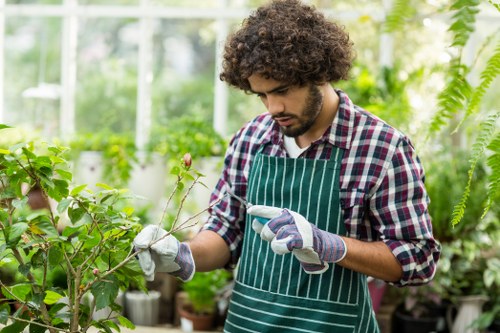 Our health and safety policy for gardeners in Hayes is designed to support safe, responsible, and professional garden work at every stage of a project. Whether the task involves pruning, lawn care, hedge shaping, planting, or seasonal clear-ups, the aim is to reduce risks while maintaining high standards of workmanship. A safe working environment is essential for gardeners, clients, and anyone nearby, so careful planning and awareness are built into every job.
This gardeners Hayes health and safety policy applies to all routine and specialist outdoor tasks. It encourages sensible working methods, the use of suitable tools, and a consistent approach to identifying hazards before work begins. By following clear procedures, garden teams can carry out duties efficiently while keeping people, property, and plants protected. Safety is not treated as an extra step; it is part of the service itself.
Every gardening assignment should start with a quick assessment of the site. This includes checking for uneven ground, slippery surfaces, obstructed pathways, sharp objects, unstable features, and overhead risks such as branches or cables. 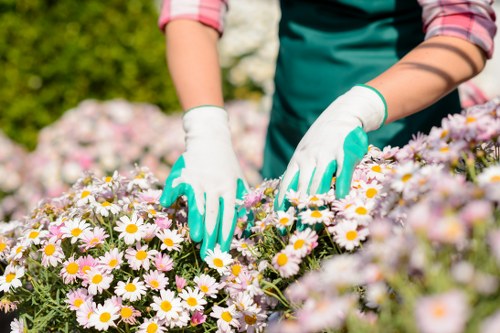 In addition, weather conditions should always be considered, as strong winds, heavy rain, extreme heat, or frost may increase the likelihood of accidents. A calm, structured approach helps ensure that work is completed safely and without avoidable disruption.
Equipment must be selected, inspected, and used correctly. Tools should be kept in good condition, with damaged items removed from service until repaired or replaced. Petrol-powered, electric, and battery-operated equipment must be handled according to manufacturer instructions, and guards, locks, and safety features should never be bypassed. Safe tool use is vital for gardeners because many injuries occur when equipment is rushed or handled carelessly.
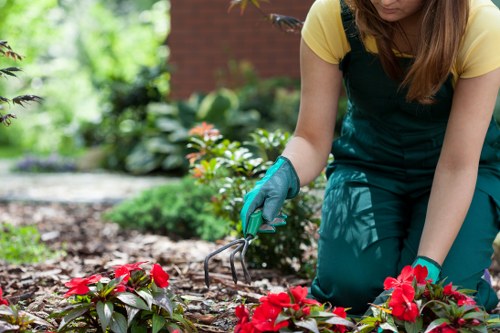
The policy also places importance on personal protective equipment. Depending on the task, this may include gloves, safety footwear, eye protection, hearing protection, and suitable clothing. PPE should be comfortable, appropriate for the weather, and worn whenever the task presents a risk. Garden work can involve thorns, flying debris, dust, chemicals, and repetitive strain, so protective items should be treated as standard rather than optional.
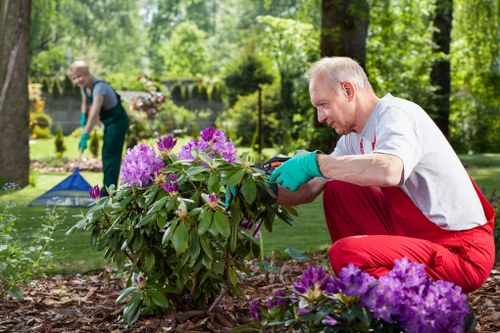 Training and supervision are important parts of the safety culture. Team members should understand how to operate tools, lift materials correctly, and recognise signs of fatigue or strain. If a task requires more than one person, clear communication should be maintained at all times. Good communication reduces mistakes and helps workers respond quickly if conditions change. Newer workers should receive guidance on safe practices before being assigned tasks with higher risk.
Manual handling is another key area within this health and safety policy for gardeners Hayes. Soil bags, planters, paving materials, and green waste can all place pressure on the back, shoulders, and knees. Loads should be assessed before lifting, and mechanical aids or team lifts should be used when necessary. Workers should avoid twisting while carrying heavy items and should plan routes in advance to prevent trips and awkward movements.
Where chemicals are used, such as fertilisers, weed treatments, or pest-control products, they must be stored, labelled, and applied carefully. Instructions should always be followed exactly, and mixing substances without proper knowledge is not acceptable. Spillages should be cleaned up promptly, and containers must be kept away from children, pets, and food. Responsible handling of products protects both the environment and the people using the space.
Noise, dust, and waste management should also be addressed. Engines and power tools can create high sound levels, so hearing protection may be required for longer tasks. Dust from soil, compost, or cutting operations should be controlled where possible, particularly in enclosed or sheltered areas. Waste should be separated, loaded safely, and disposed of in line with the relevant requirements.  Keeping work areas tidy reduces clutter and helps prevent slips, cuts, and accidental damage to lawns or structures.
Emergency readiness is an essential part of safe gardening practice. Workers should know how to respond to cuts, strains, heat stress, insect stings, and incidents involving tools or machinery. Basic first aid awareness, access to suitable supplies, and a clear reporting process all help reduce the impact of unexpected events. If a task becomes unsafe, work should stop immediately until the issue is resolved.
Risk management should be reviewed regularly so that the policy remains practical and effective. Changes in weather, site layout, plant growth, or the type of work being carried out may all affect safety requirements. A flexible system allows gardeners to adapt while still maintaining strong standards. Regular review and accountability make it easier to prevent incidents rather than react to them after they happen.
 Ultimately, this health and safety policy supports reliable, careful, and professional gardening work. It reflects the commitment to safeguard workers, visitors, and property while delivering well-maintained outdoor spaces. By combining awareness, training, correct equipment, and responsible working habits, gardeners in Hayes can complete each task with confidence and consistency. Safety, quality, and professionalism should always go hand in hand.