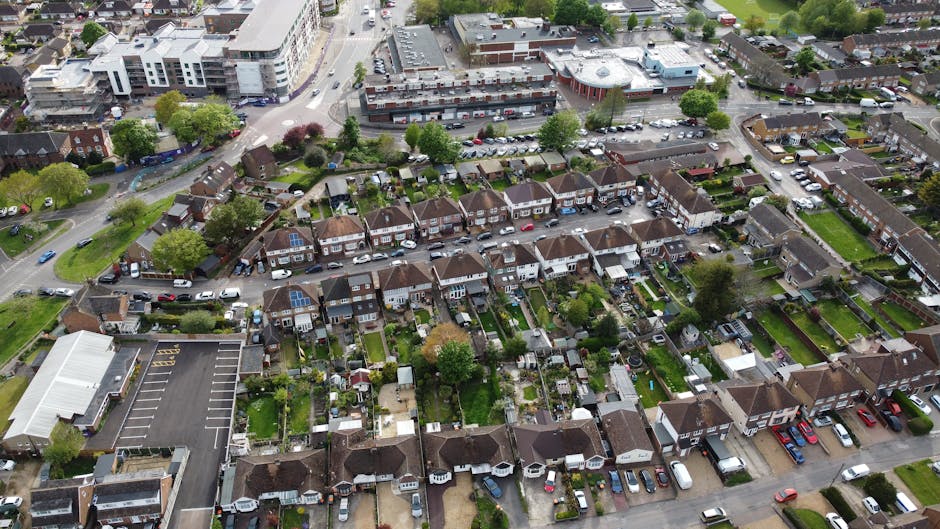
Hayes UB3 gardeners advice for Botwell Common estates

If you live on or near Botwell Common estates and you want the outdoor space to feel tidy, calm, and genuinely usable, you already know the challenge: the garden never quite behaves the same way twice. One week it looks fine, the next you've got wind-battered shrubs, a lawn that's gone patchy, and weeds making themselves at home in the borders. That is exactly where Hayes UB3 gardeners advice for Botwell Common estates becomes useful. This guide pulls together practical, local-minded guidance for keeping small and medium estate gardens looking sharp without making life harder than it needs to be.
We'll look at what matters most in these gardens, how to approach maintenance in a sensible order, which tasks give the biggest visual return, and when it makes more sense to call in a professional. There's no fluff here. Just grounded, UK-friendly advice you can actually use, whether you're trying to improve curb appeal, manage a shared boundary, or just reclaim a slightly tired-looking back garden after a long spell of neglect. Truth be told, most estate gardens do not need a dramatic makeover. They need consistency, a bit of judgement, and the right priorities.
- Why this advice matters in Botwell Common estates
- How the approach works in practice
- Key benefits and practical advantages
- Who this is for and when it makes sense
- Step-by-step guidance
- Expert tips for better results
- Common mistakes to avoid
- Tools, resources and recommendations
- Law, compliance, standards, or best practice
- Options, methods, or comparison table
- Case study or real-world example
- Practical checklist
- Conclusion
- Frequently asked questions
Why Hayes UB3 gardeners advice for Botwell Common estates Matters
Botwell Common estates tend to have the kind of outdoor spaces that reward steady care more than one-off effort. You may be dealing with front lawns that need to look presentable all year, rear gardens with limited sun, shared fencing, narrow access, or planting that has to cope with a bit of everything: shade, damp, wind, occasional heat, and the lovely unpredictability of London weather. That means generic gardening advice often falls a bit flat.
The point of local advice is not just "garden better." It is garden smarter for the conditions in front of you. A neat lawn means less moss and fewer bare patches. Tidy hedges improve privacy without turning into a jungle. Better planting choices can reduce watering, mowing, and endless redoing. And if you share boundaries with neighbours, sensible planning helps avoid awkward disputes over overhanging shrubs and maintenance responsibilities. Not glamorous, no. But very real.
There's also a visual side that people sometimes underestimate. A well-kept estate garden changes how a property feels from the path, the window, and the back door. You notice it on a damp Tuesday morning, when the light is grey and the garden still looks cared for. That matters more than many people think.
If you want broader help with routine upkeep, the service pages for garden maintenance and lawn care are a sensible starting point, especially if your outdoor space needs ongoing attention rather than a one-time tidy-up.
How Hayes UB3 gardeners advice for Botwell Common estates Works
The best approach starts with observation. Before you prune, dig, mow, or buy anything, spend ten minutes looking at the space properly. Where does water sit after rain? Which parts dry out first? Which hedge is causing the most shade? Where do people actually walk? The answers shape the work far more than a shopping list does.
From there, a good local gardening plan usually follows four stages:
- Clear the problem areas first. That may mean weeds, ivy, dead growth, compacted soil, or leftover debris.
- Restore structure. Cut back overgrowth, define borders, and bring paths, lawns, and hedges back into proportion.
- Improve the living parts. Feed the soil, reseed bare patches, refresh mulch, and replant where needed.
- Set a maintenance rhythm. Decide what needs weekly, monthly, or seasonal attention so the garden doesn't slide backwards again.
That rhythm is the real secret. Most gardens do not fail because of one bad decision. They fail because of delay after delay after delay. You skip the weed pass, then the hedge gets a bit out of hand, then the lawn thins, and suddenly the whole space feels like work instead of relief. A tidy system breaks that cycle.
For example, if the estate garden has a tired lawn and a busy border, it often makes sense to prioritise mowing and edging before planting anything new. If you are away a lot, the article on keeping lawn health on vacation is useful because it highlights how quickly small lapses can become visible in UK grass conditions.
Key Benefits and Practical Advantages
There are plenty of reasons residents on Botwell Common estates take a more deliberate approach to garden care. Some are obvious. Others only become obvious after you've lived with a rough garden for a while.
- Better kerb appeal: A neat front garden immediately improves the look of the property and the estate as a whole.
- Less long-term maintenance: Thoughtful planting and tidy borders reduce the time spent fighting weeds and overgrowth.
- Improved privacy: The right hedges, climbers, or screening plants can soften overlooking without making the space feel boxed in.
- Safer walkways: Clear paths, level surfaces, and well-managed edges reduce trip hazards.
- Better garden use: A usable garden is one you can sit in, host in, or simply look at without mentally listing all the jobs.
- Stronger planting success: Choosing plants that suit shade, wind, and soil conditions gives you fewer failures and better value.
Another overlooked benefit is peace of mind. It's surprisingly calming to open the back door and not immediately think, "I really ought to sort that out." That little mental shift matters, especially if the garden is visible from your living space. Outdoor order tends to leak indoors. The reverse is true too.
Who This Is For and When It Makes Sense
This advice is useful for a wide mix of people in and around Botwell Common estates.
- Homeowners who want regular upkeep without losing whole weekends to it.
- Landlords trying to keep rental gardens presentable between tenancies.
- Tenants who want to stay on top of a manageable outdoor area and avoid it becoming a stress point.
- Families who need a safe, simple, flexible garden for play, storage, and relaxed living.
- Pet owners looking for durable planting and practical surfaces that can handle a dog or two.
- Older residents who prefer low-maintenance solutions and clear, easy access.
It also makes sense if your garden has started to feel one job too many. Maybe the hedge line is pushing out, the patio is slippery, or the lawn is more moss than grass. In that case, a targeted intervention can feel much easier than trying to tackle everything in one heroic Saturday. Let's face it, heroic Saturdays rarely last.
If the outdoor space is badly tangled or has been neglected for a while, a structured tidy-up through this overgrown garden makeover guide can help you think about what to keep, cut back, and replace.
Step-by-Step Guidance
If you want a practical route through estate garden care, here's a straightforward process that works in real life. Not every garden needs every step at once, but this sequence keeps things sensible.
- Walk the garden with fresh eyes. Look at the space from the gate, the back door, and any upstairs windows. What looks untidy first?
- Remove waste and dead material. Clear branches, broken pots, leaves, and anything that is simply sitting there doing nothing useful.
- Sort the edges. Edging lawns and borders instantly makes a garden look more deliberate, even before you've planted a thing.
- Deal with weeds properly. Pull annual weeds before they seed, and address rooted weeds at the source rather than snipping the tops off and hoping for the best. That never works for long.
- Cut back hedges, shrubs, and climbers. Aim for shape and health, not just size reduction. If you are unsure about ivy or woody climbers, take it slowly.
- Check the lawn. Rake out moss, fill bare patches, and mow at a sensible height for the season.
- Refresh the soil. Compost, mulch, or organic matter can improve structure and water retention, especially in tired beds.
- Replant strategically. Use reliable plants in the right spots rather than filling gaps with whatever is on sale.
- Finish with a clean surface. Sweep patios, clear decking, and wash down hard landscaping where dirt has built up.
- Set a maintenance calendar. Put hedge trimming, mowing, weeding, and seasonal checks on a simple repeat schedule.
In the middle of that process, the lawn often tells the truth. If it's patchy, compacted, or tired-looking, a dedicated routine helps more than random treatments. The service page for lawn mowing is relevant if you want to keep growth even and the space looking sharp through the growing season.
And if you need a broader, repeatable plan rather than a single intervention, routine garden maintenance is usually the most practical answer.
Expert Tips for Better Results
The small details make a disproportionate difference. A garden on a housing estate can look tidy with relatively modest effort if you pay attention to rhythm, proportion, and plant choice.
- Choose lower-fuss planting for awkward spots. In shadier corners, ground cover and shade-tolerant plants reduce the need for constant gap-filling. The article on ground cover plants for UK spaces gives good ideas for those tricky patches.
- Use hedges for soft boundaries. If you need more privacy, a hedge can be smarter than a hard fence in some layouts. The guide to fast-growing hedges is a useful starting point.
- Keep climbers under control early. A little annual pruning saves a lot of repair work later. This matters especially with ivy and vigorous wall climbers; see ivy removal advice if a wall has become overrun.
- Build with the weather in mind. Wind exposure, sudden rain, and dry spells all shape what survives. The piece on protecting gardens from wind is genuinely useful for exposed corners.
- Do not overdo hard pruning before frost. In UK conditions, timing matters. A heavy cut at the wrong time can leave plants vulnerable.
One practical tip from experience: if a garden feels "messy" but you cannot work out why, it is often because the heights are all wrong. Tall weeds, uneven hedge tops, a lawn that's too long, and a border that's got no clean line. Fix the heights and the place suddenly makes sense.
For a more polished finish, especially on shared or frontage areas, professional hedge shaping can make a big visual difference. Have a look at hedge trimming in Hayes if that's the bit that keeps getting away from you.
Common Mistakes to Avoid
Most garden problems on estates do not begin with neglect alone. They often begin with well-meant shortcuts. A few common ones are worth calling out.
- Cutting everything at once. Heavy-handed pruning can remove structure and make the garden look worse before it looks better.
- Ignoring the soil. If soil is compacted or starved, plants struggle no matter how much you water them.
- Planting for the catalogue picture. A plant may look beautiful in theory and still be a poor fit for shade, clay, or wind.
- Letting ivy and climbers run unchecked. They can be attractive, but only when managed with intention.
- Overwatering lawns and borders. More water is not always better; it can encourage shallow roots or fungal issues.
- Skipping seasonal jobs. Winter preparation and spring reset work are not optional if you want steady results.
Another common issue is design drift. You start with a neat little border, then add a shrub, then a pot, then a feature, and suddenly the garden has no clear identity. It happens. Gardening is a bit like a kitchen drawer. If you never tidy it, strange things accumulate.
If your space is prone to weeds, do yourself a favour and read these weed control tips before the problem becomes a weekly battle.
Tools, Resources and Recommendations
You do not need a massive toolkit to keep a Botwell Common estate garden in good shape. A few dependable tools, used properly, beat a shed full of half-forgotten gadgets every time.
- Sharp shears or secateurs for precise pruning and deadheading.
- Rake and spring-tine rake for lawn debris and moss removal.
- Edging tool for crisp borders and paths.
- Sturdy broom for patios, paths, and decking.
- Gloves and knee support for safer, more comfortable work.
- Spade or border fork for soil improvement and replanting.
- Watering can or hose with control for focused watering rather than wasteful soaking.
If you are building a better kit from scratch, this tools guide is a solid companion piece. For people working with limited space, the article on container gardening essentials is also useful because pots can rescue awkward corners and paved areas.
Hard surfaces matter too. A clean patio or side path can make the whole garden feel more finished, especially on smaller estate plots where every square metre counts. If that's part of your situation, see patio cleaning and decking services for the kind of finishing work that makes a space feel properly maintained rather than half-done.
Law, Compliance, Standards, or Best Practice
For most domestic gardens, the key issue is not a complex legal framework. It is good neighbour practice, safe working, and avoiding damage to shared structures or access routes. Still, there are a few sensible points to keep in mind.
First, be careful with boundary hedges, fences, and overhanging growth. If a hedge sits near a shared line, trimming should be done thoughtfully and without causing avoidable disputes. Second, if you are dealing with taller trees, overgrown branches, or work near structures, safety matters more than speed. The relevant insurance and safety guidance is worth reviewing before any bigger job.
Third, gardens should be maintained in a way that does not create trip hazards, blocked access, or slippery surfaces that could affect residents or visitors. That sounds obvious, but in real life it often gets overlooked. A patch of wet algae on a patio, a leaning fence panel, or a branch drooping over a path can turn into a headache if left too long.
Best practice is simple: work safely, keep things tidy, and avoid making assumptions about neighbouring responsibility. If the situation is unclear, ask before you cut. That one step saves more hassle than people expect.
For service expectations, payments, and what should happen before and after a visit, it's also worth checking the site's terms and conditions and payment and security information. Not exciting reading, admittedly, but useful.
Options, Methods, or Comparison Table
There is more than one way to keep a Botwell Common estate garden under control. The right method depends on budget, time, and how quickly the space is slipping.
| Approach | Best for | Pros | Trade-offs |
|---|---|---|---|
| DIY weekly maintenance | Small, manageable gardens | Low cost, flexible, hands-on | Takes time and needs consistency |
| Seasonal tidy-up | Gardens that are mostly okay but drift over time | Good reset, quick visual improvement | Can slip again without follow-up |
| Planned maintenance service | Busy households, landlords, and larger plots | Reliable results, less stress, better continuity | Ongoing spend rather than a one-off fix |
| Full landscaping refresh | Very tired, awkward, or poorly designed spaces | Transforms layout and usability | More planning, more cost, more disruption |
For many estate homes, the smartest route is a blend: a tidy-up first, then light maintenance, then a targeted improvement to the weakest area. Often that weakest area is the lawn. Sometimes it is the hedge line. Every so often it is the patio that everyone pretends not to see.
If you are weighing up bigger changes, the landscaping page is a useful next step, especially if you want to reshape the garden rather than simply keep it in order.
Case Study or Real-World Example
Here's a realistic example. A typical Botwell Common estate garden might start with a narrow front lawn, a hedge that has grown unevenly, a back border full of self-seeded plants, and a patio that has become a bit slick after a damp spell. Nothing dramatic. Just enough to make the whole place feel tired.
The first pass would focus on clearing, cutting, and defining. The hedge gets shaped. The lawn is mown and edged. The patio is cleaned. The border is thinned out, and any dead or weak plants are removed. Then the soil is improved in the places where replanting is planned. If privacy is a concern, a hedge or climber may be introduced on one boundary. If the lawn keeps failing in shade, ground cover replaces the awkward patch.
What changes most is not just the appearance, but the habit of the space. A garden that was hard to read becomes easier to use. Children know where to play. Adults know where to sit. The house feels more settled. And, to be honest, that is often what people want most: not a show garden, just a garden that feels like it belongs to the home again.
That is why practical maintenance matters. One good reset, then a rhythm. The rhythm is everything.
Practical Checklist
Use this checklist to keep your estate garden on track through the year.
- Walk the garden once a week and note anything changing quickly.
- Cut grass before it becomes too long to manage neatly.
- Trim hedge growth before it obscures paths, windows, or boundaries.
- Remove weeds before they flower or seed.
- Clear leaves and debris from patios, paths, and drains.
- Check for moss, algae, or slippery buildup after wet weather.
- Water new planting deeply but not wastefully.
- Feed or mulch tired beds when the season supports it.
- Replace weak or failed plants rather than leaving gaps for months.
- Review fencing, edging, and overhanging growth after storms.
- Book a professional tidy-up before the garden gets too far behind.
If you want help with the larger outdoor picture, gardening services can be useful for ongoing support, while tree surgery is the better fit for anything that has outgrown sensible DIY handling.
Conclusion
Good garden care on Botwell Common estates is not about perfection. It is about control, clarity, and a bit of regular attention before small problems become big ones. The spaces here can look excellent with the right mix of mowing, pruning, planting, and cleanup. And the best part? Once the structure is right, the maintenance becomes much easier. Much easier.
Start with the obvious wins. Fix the edges. Sort the lawn. Trim what is overreaching. Then build on that with planting choices that suit the space rather than fight it. If the garden is difficult, simplify it. If it is dull, give it one strong feature. If it is neglected, do not panic; just begin with the first visible job and keep going.
And if you want a more polished, hands-off route, the right local support can save time, reduce stress, and give you a result that feels good every time you step outside. Small victories count out there. They really do.
Get a free quote today and see how much you can save.
Frequently Asked Questions
What is the best first step for Botwell Common estate garden care?
Start by clearing debris and identifying the biggest problem area, usually the lawn, hedge line, or weed growth. Once the garden is readable again, everything else becomes easier.
How often should a garden on a Hayes estate be maintained?
Weekly checks are ideal for mowing, weeds, and visible tidying, with slightly larger seasonal jobs every few months. A light regular routine is better than sporadic heavy work.
Can I keep a small estate garden low-maintenance without making it boring?
Yes. Use a simple structure, a few reliable plants, and one or two features such as neat hedging, containers, or ground cover. Low-maintenance does not have to mean plain.
What should I do about a patchy lawn in a shared estate garden?
First improve the basics: mowing height, aeration if needed, and soil condition. Then reseed or patch the thin areas. If the shade or traffic is the real issue, consider alternatives rather than repeatedly fighting the same patch.
Are hedges better than fences for privacy in Botwell Common estates?
It depends on the layout. Hedges soften the space and can feel more natural, while fences give firmer boundaries. In some gardens, a mix of both works best.
What gardening jobs are easiest to leave too long?
Weeding, hedge trimming, and patio cleaning are the usual culprits. They do not look urgent at first, then suddenly everything looks a bit neglected. Annoying, but very common.
Is ivy always a problem?
No, but it becomes a problem when it is allowed to spread unchecked or attach to surfaces that need protection. Managed ivy can work; wild ivy usually creates more trouble than it solves.
Do I need a professional for overgrown estate gardens?
If the space is heavily overgrown, difficult to access, or needs a proper reset, professional help can save time and prevent avoidable mistakes. A lot depends on how quickly you want the result.
What type of plants work well in local shade and wind?
Ground cover, hardy shrubs, and robust climbers often suit those conditions better than delicate ornamentals. The right choice depends on how much light and exposure each part of the garden gets.
How do I keep a garden looking neat between service visits?
Stick to a simple habit: mow, edge, weed, sweep, and check boundaries. Ten to fifteen minutes here and there can make a bigger difference than one long session once everything has already got out of hand.
What should landlords or tenants prioritise in rental estate gardens?
Safety, cleanliness, and basic structure should come first. Clear access, tidy lawns, manageable borders, and healthy boundary planting usually give the best return for the least stress.
How do I get a quote or ask for advice?
The most direct next step is to use the site's contact route and describe the garden as clearly as you can, ideally with the main issues listed first. That helps get a more accurate response and avoids back-and-forth later.