Hayes gardeners for Yeading Lane terraces small garden solutions
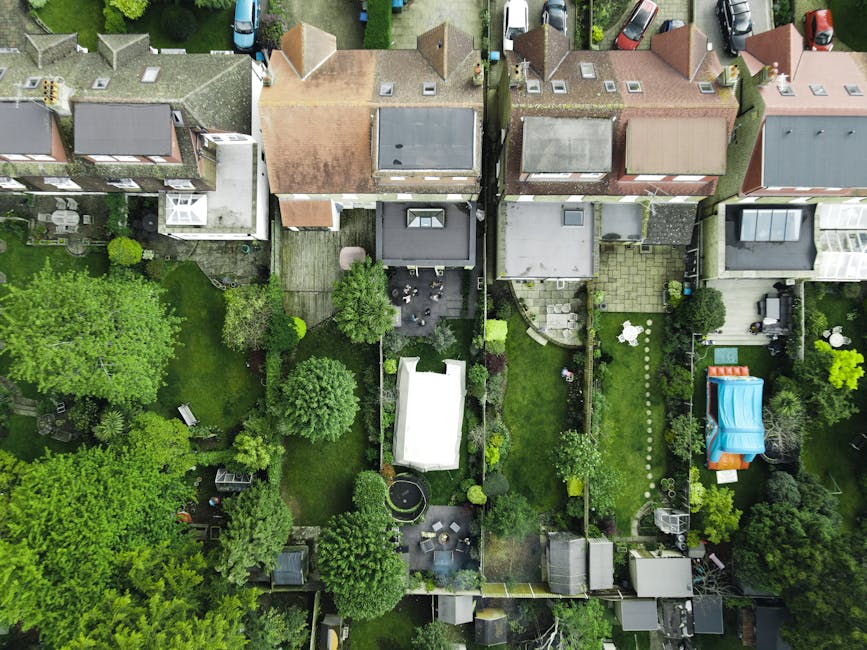
Terrace gardens on Yeading Lane can be charming, but let's be honest, they can also feel a bit boxed in. Narrow borders, shaded corners, awkward paving, and not quite enough room to do what you really want. That is exactly where Hayes gardeners for Yeading Lane terraces small garden solutions make a difference. With the right plan, even a modest outdoor space can feel calmer, greener, and far more usable.
This guide breaks down how compact garden design works, what makes terrace spaces tricky, and which solutions deliver the best results in a typical Hayes setting. Whether you want a low-maintenance finish, a family-friendly layout, a more private courtyard feel, or simply a garden that does not look tired by Thursday afternoon, you will find practical advice here.
And yes, small gardens can be brilliant. Not "brilliant for a small garden" brilliant. Just brilliant, full stop.
Why Hayes gardeners for Yeading Lane terraces small garden solutions Matters
Terrace gardens along residential streets in Hayes often share the same pressure points: limited width, shade from fences or neighbouring walls, poor access, and a layout that was never really designed for modern living. A small space is not automatically a simple space. In fact, the smaller the garden, the easier it is for clutter, patchy planting, and tired paving to dominate the whole view.
That is why tailored help matters. A good local gardener does more than cut back growth and tidy the edges. They assess how the space is used, how much light reaches it through the day, where water sits after rain, and whether the garden needs structure before planting even begins. On Yeading Lane, where terraced plots can be long and narrow or compact and enclosed, these details shape everything.
There is also a comfort factor. A terrace garden should feel like an extension of the house, not an afterthought. If you can step outside with a morning tea and see a clean line of planting, a tidy path, and a few well-chosen features, the space instantly feels bigger. That is the magic, really.
For many homeowners, this is also about keeping maintenance realistic. A tiny garden overfilled with thirsty plants, fussy edges, and awkward ornaments can become a weekly headache. Simple, durable choices tend to win in the long run. If you want inspiration for a low-fuss but attractive layout, a useful place to start is mastering the essentials of container gardening, because containers can solve a surprising number of terrace-garden issues.
How Hayes gardeners for Yeading Lane terraces small garden solutions Works
The process usually starts with the space itself, not the wishlist. That sounds obvious, but it is the bit people skip most often. Good garden design on a terrace begins with measurements, light levels, surface condition, and access routes. A gardener will often look at where the eye naturally lands when you open the back door. That first view matters more than most people think.
From there, the work tends to fall into a few stages:
- Clear the space: remove dead growth, weeds, broken pots, and anything that blocks the layout.
- Define zones: separate seating, planting, and practical walk-through areas, even if each zone is compact.
- Choose the right structure: use borders, edging, trellises, screens, or raised beds to create shape.
- Select plants for the conditions: shade-tolerant, drought-tolerant, or evergreen options often work best.
- Finish with manageable details: mulch, clean paving, secure containers, and a maintenance plan.
That final point is where many small gardens succeed or fail. A terrace garden should be designed for actual life, not for a one-day reveal. If you have pets, children, or frequent visitors, the layout needs to stay practical when shoes are muddy and the weather turns. For households with dogs, it may help to borrow a few ideas from fun landscaping ideas for dog owners, especially when choosing durable surfaces and resilient planting.
In some cases, the work also includes repairs or supporting services. A cracked path, loose fence panel, or overgrown hedge can make a small garden feel even smaller. That is where linked services such as patio cleaning, fencing, or hedge trimming in Hayes may become part of the plan. Not always, but often enough to matter.
Key Benefits and Practical Advantages
The obvious benefit is that the garden looks better. But the real value goes deeper than that. Small outdoor spaces are one of those places where thoughtful choices can change how the whole home feels.
- Better use of every square metre: a terrace garden works harder when each area has a purpose.
- Less visual clutter: structured planting and clean lines make narrow gardens feel more open.
- Lower maintenance: the right planting mix reduces constant trimming, replanting, and rescue missions.
- More privacy: screens, hedges, and climbers can soften neighbouring views without making the space feel boxed in.
- Improved year-round appeal: evergreen structure keeps the garden from looking bare in winter.
- Better outdoor living: even a tiny courtyard can support seating, herbs, and a few favourite pots.
There is also a mental benefit that gets overlooked. A small garden, when it is neat and green, gives you a proper exhale at the end of the day. You hear less visual noise, if that makes sense. It is calmer. You step out, and the space does not argue with you.
For practical planting choices, ground cover can be a smart move because it helps suppress weeds and reduce bare patches. If that sounds useful, take a look at these ground cover plant ideas for UK spaces. They can be especially handy where a narrow terrace border is difficult to mow or keep tidy.
Who This Is For and When It Makes Sense
This kind of service suits a lot of different people, not just keen gardeners. In fact, some of the best results come from homeowners who simply know the space needs help but do not want to spend every weekend tinkering with it.
- Owners of small terraces: especially where the garden is long, narrow, or shaded by walls and fencing.
- Busy households: people who want an attractive garden without ongoing high maintenance.
- New movers: if you have just moved into a Yeading Lane property and the outside space needs a reset.
- Families: where the garden needs to handle both play and relaxation.
- Pet owners: where surfaces, fencing, and planting need to be robust and safe.
- Landlords and sellers: when the outdoor space needs a neat, inviting finish quickly.
It also makes sense if the garden feels "nearly there" but not quite right. That is often the most frustrating stage. The path is fine, the plants are healthy enough, but the whole thing still reads as unfinished. A few structural changes can fix that faster than endlessly buying more plants. To be fair, another plant is rarely the answer to a layout problem.
If your goal is simply to keep the space under control through the year, regular upkeep through garden maintenance or more targeted lawn care may be the better fit. If there is very little lawn, then the focus often shifts to paving, edges, pots, and vertical planting instead.
Step-by-Step Guidance
Here is the practical route I would suggest for turning a small terrace into a usable garden. It is straightforward, but not simplistic.
- Measure the space properly. Include narrow side runs, awkward corners, and door swings. It is amazing how often a door prevents a bench from working.
- Assess light and exposure. Note where the morning sun reaches, where shade hangs around, and whether wind funnels down the garden.
- Clear out the weak points. Remove dead plants, broken pots, weeds, mossy edging, and anything that makes the garden feel tired.
- Decide on the main job of the garden. Is it for seating, children, pets, herbs, privacy, or simple relaxation?
- Set the structure first. Add edging, raised planters, screens, or climbing supports before choosing decorative plants.
- Choose a simple planting palette. A few repeated species usually look better than a dozen random ones.
- Use vertical space. Walls, fences, and trellis systems are valuable on terraces. They do a lot of heavy lifting visually.
- Finish with access in mind. Leave enough room to carry bins, water plants, or move chairs without bumping into everything.
- Build in maintenance habits. Small gardens still need care, just less of it when designed well.
If the terrace is heavily shaded, a climber or evergreen screen may be more useful than a border full of sun-loving shrubs. For hidden, leafy effect, you can also explore evergreen climbers for shade, which are often underrated in compact gardens.
And if the space has become tangled or neglected, a reset may be needed before any design work begins. That is where an overgrown greenery makeover approach can be useful. Clear the mess first. Then the design starts to breathe.
Expert Tips for Better Results
A few small decisions can make a terrace garden look more expensive and feel more balanced. Not flashy-expensive. Just well resolved.
- Repeat materials: use the same edging, pot style, or paving tone more than once to create calm.
- Choose one strong focal point: a bench, tree, sculpture, or feature planter gives the eye somewhere to rest.
- Think in layers: low planting, mid-height structure, then vertical growth. That layering matters in tight spaces.
- Keep the palette restrained: too many colours in a small garden can feel busy very quickly.
- Go for reliable plants over exotic ones: hardy choices usually cope better with London weather swings.
- Use containers with intention: a pot should help the design, not just fill a gap.
One thing people often forget is maintenance access. If a plant sits where you cannot reach it comfortably, you will eventually stop looking after it properly. That is not laziness. It is just life. So place the fussy plants where you can get to them easily and keep the hardiest ones in the trickier spots.
If you want a more restful feel, there is a nice crossover with zen garden concepts for serenity. A small terrace does not need a full Japanese-style design, of course, but the principles of simplicity, rhythm, and uncluttered space work beautifully in compact gardens.
For people who enjoy growing their own herbs, a pocket herb bed or set of pots near the kitchen door can be an excellent use of space. You can start with ideas from creating a personal herb oasis. Fresh basil in a small garden? Very satisfying, honestly.
Common Mistakes to Avoid
Small gardens are unforgiving of poor decisions. The good news is that most mistakes are easy to avoid once you know what they look like.
- Overcrowding the layout: too many pots, ornaments, or shrubs can make the garden seem even smaller.
- Ignoring shade: planting sun lovers in a shady terrace is a recipe for disappointment.
- Using tiny features everywhere: lots of little items can create visual noise.
- Choosing high-maintenance plants: if the garden is small, every maintenance task feels more noticeable.
- Leaving surfaces dirty or mossy: an unclean path can drag the whole space down.
- Forgetting winter structure: a garden that only looks good in June is not enough.
Another common issue is the "just one more thing" problem. One extra planter, one more statue, one extra trellis panel. Then suddenly the terrace looks crowded and the movement is awkward. If you have ever side-stepped a watering can three times on the same path, you will know the feeling.
We also see a lot of weak weed control in compact spaces. Bare patches, old mortar joints, and neglected edges can become stubborn fast. A good weed strategy, like the one covered in winning the weed war, helps keep the garden tidy without turning every weekend into a battle.
And if ivy has taken over walls, fences, or boundary lines, that needs handling carefully. It may look charming at a glance, but it can become a real nuisance. There is a practical step-by-step explanation in how to remove ivy permanently, which is well worth reading before it spreads further.
Tools, Resources and Recommendations
You do not need a shed full of gear to improve a terrace garden, but a few dependable tools make the work easier and neater. In our experience, the right basics are worth far more than novelty tools you use once and then forget about.
| Need | Useful tool or resource | Why it helps in a small terrace |
|---|---|---|
| Regular tidying | Hand trowel, secateurs, stiff brush | Keeps edges, pots, and planters under control without much fuss |
| Vertical planting | Trellis, wall planter, climbing supports | Uses height instead of eating floor space |
| Container displays | Lightweight pots, compost, mulch | Lets you change layout and add seasonal interest |
| Surface care | Pressure washing or careful patio cleaning | Refreshes paving and improves the overall look quickly |
| Privacy and structure | Hedges, screens, fencing, climbers | Creates enclosure without making the garden feel boxed in |
For a broader toolkit, these essential gardening tools cover the basics well. If the space is mostly pots and containers, then container gardening guidance is especially useful.
When the hard landscaping needs attention, the service pages can be part of your planning too. Landscaping is the broader route for layout changes, while decking services can help if you want a clean seating zone that feels warmer underfoot than bare paving.
If you are uncertain about what combination of work is sensible, it is usually better to start with structure, then planting, then finish details. That order saves money and a lot of do-overs.
Law, Compliance, Standards, or Best Practice
For terrace gardens, the main compliance concerns are usually practical rather than dramatic: boundary responsibility, safe access, drainage, waste handling, and avoiding work that damages shared structures. If you are in a terraced property, fences, walls, and alleyways can involve shared or adjoining boundaries, so it is sensible to check ownership before replacing or altering anything major.
It is also best practice to keep hard surfaces safe and usable. Slippery paving, broken steps, or uneven edging can become a hazard, especially in wet weather. A tidy garden is lovely. A tidy and safe garden is better.
When work involves tools, ladders, or heavy lifting, safe working habits matter. This includes using the right equipment, protecting surfaces, and disposing of waste responsibly. If you want to understand the company's general approach to safety, the health and safety policy and insurance and safety information are sensible places to review.
For customer expectations, written terms and transparent pricing are useful too. A clear scope reduces misunderstandings, especially where the garden is small and every metre counts. That is also why it helps to read pricing and quotes before any work begins.
And one more thing: if any work involves protected trees, significant pruning, or structural changes near boundaries, professional judgement is important. When in doubt, ask first. It saves hassle later.
Options, Methods, or Comparison Table
There is no single right way to improve a small terrace garden. The best method depends on your goals, budget, and how much upkeep you can realistically handle. Here is a simple comparison that may help.
| Method | Best for | Strengths | Trade-offs |
|---|---|---|---|
| Container-led design | Flexible styling and renters | Easy to move, easy to change, great for small areas | Needs watering and feeding more often |
| Hard landscaping reset | Tired or awkward layouts | Creates clean lines, better access, and a stronger base | Usually more upfront effort |
| Plant-focused softening | Gardens that already have good structure | Adds colour, texture, and seasonal change | Can look cluttered if overdone |
| Vertical gardening | Narrow terraces and shaded walls | Maximises space without losing floor area | Needs secure fixings and sensible plant choice |
| Low-maintenance refresh | Busy households | Simple, resilient, and easier to keep tidy | May be less lush than a heavily planted design |
For many Yeading Lane terraces, the best results come from mixing two methods rather than choosing just one. A small paved seating area, a few well-placed containers, and a vertical planting screen can be enough to transform the feel without overwhelming the space. If privacy is a priority, a smart planting solution such as rapidly growing hedges for privacy may complement the layout nicely.
If your garden needs a more tailored design and build approach, gardening services can support the whole project, from tidy-up to finishing touches.
Case Study or Real-World Example
A typical terrace garden in Hayes might measure only a few metres wide, with a long shape, one shaded side, and a paved section that has lost its colour over time. The owners often describe it the same way: "It has potential, but we never quite know what to do with it." That sentence comes up a lot, truth be told.
In a real-world style refresh, the first job would be clearing the space and trimming back anything oversized. An old climber on the fence might be reduced, the paving cleaned, and a few tired containers removed. That alone can change the feel from cramped to open. Then the structure goes in: a bench or compact seating area, perhaps one narrow raised bed, and a set of matching pots to carry the planting theme.
To make the garden feel less exposed, the vertical boundary could be softened with climbers or screening. If the back wall catches only partial light, shade-friendly planting would be used rather than fighting the conditions. Then the finishing detail: mulch, a sweep of fresh gravel or cleaned paving joints, and one focal point, maybe a small herb grouping near the kitchen door.
What tends to surprise people is how much bigger the garden feels after clutter is removed. Not because it has been stretched. Because the eye can finally move. That is the real transformation.
If the design also needs a safe, family-friendly feel, it can be worth pulling ideas from garden ideas children will love and adapting them for a compact terrace. Soft edges, durable surfaces, and one clear open zone often work better than trying to fit in too much at once.
And if you are planning to be away for a while, don't forget the basics. A terrace garden still needs watering, especially in warm weather. A short reference like how to keep garden growth healthy while you are away can be useful even if you do not have much lawn, because the watering principles apply more widely.
Practical Checklist
Use this as a simple sanity check before you book work or start rearranging the garden yourself.
- Have you measured the usable space, not just the total garden size?
- Do you know which parts are sunny, shaded, or windy?
- Have you decided what the main purpose of the garden is?
- Are there weeds, moss, or ivy that need removing first?
- Is the surface safe, level, and reasonably clean?
- Have you chosen a few repeated materials or colours?
- Do you have enough access for watering and maintenance?
- Will the planting suit the light conditions throughout the year?
- Are fences, walls, or screens in good enough condition to support climbers or fixings?
- Have you kept a little open space so the garden does not feel crowded?
Expert summary: the best terrace-garden solutions in Yeading Lane are usually the simplest ones done well: clean structure, restrained planting, sensible privacy, and a maintenance plan you can actually keep up. Fancy is optional. Functional is essential.
For a quick refresh, surface cleaning can be a smart first move. If the paving is dull or slippery, patio cleaning can make the whole garden feel brighter before any planting begins.
Get a free quote today and see how much you can save.
Conclusion
Small terrace gardens do not need more space to feel better. They need clearer decisions. That is the whole game, really. When the structure makes sense, the planting suits the light, and the maintenance stays manageable, even a compact Yeading Lane garden can feel welcoming and calm.
Hayes gardeners who understand terrace layouts can help you avoid common mistakes, make the most of limited square footage, and shape a space that suits everyday life instead of fighting it. A good result is not just a prettier garden. It is a garden you will actually use.
If you are ready to move from "not sure where to start" to a proper plan, the next step is simple. Ask for tailored guidance, compare options carefully, and choose the approach that fits your home and routine. Small gardens can do a lot. Sometimes more than the big ones.
And when it all comes together, you notice it straight away: the door opens, the air smells a bit fresher, and the garden finally feels like it belongs there.
Frequently Asked Questions
What makes Yeading Lane terrace gardens different from larger gardens?
They usually have less width, more shade, and a tighter layout, so every choice needs to work harder. Privacy, access, and visual balance matter more in a terrace than they might in a bigger garden.
Can a small terrace garden still feel private?
Yes. A mix of fencing, climbers, strategic planting, and careful placement of seating can create a private feel without closing the space in. Light filtering is usually better than a solid wall effect.
What are the best plants for a small garden in Hayes?
It depends on the light, but compact shrubs, herbs, evergreen climbers, and reliable ground cover are often strong choices. The best planting plan usually prioritises low maintenance and year-round structure.
Is container gardening a good option for terrace gardens?
Very often, yes. Containers let you control soil, move plants around, and create height without taking up much room. They are especially useful where the ground is awkward or the layout changes over time.
How do I make a narrow garden look wider?
Use repeated materials, simple planting groups, and a clear line of movement through the space. Avoid overcrowding and keep the visual focus steady rather than scattered. Mirrors can help in some cases, but they are not always the answer.
Should I choose paving or planting first?
Usually the structure comes first. If paving is broken, slippery, or poorly laid out, fix that before adding plants. A good base makes every other part of the garden easier to live with.
How much maintenance does a small terrace garden need?
Less than a large garden, but it still needs regular attention. The exact level depends on whether you choose fast-growing, container-based, or low-maintenance planting. Simpler layouts are easier to keep tidy.
Can gardeners help with overgrown ivy or dense boundary growth?
Yes, and it is often a sensible first task before redesigning the space. Overgrowth can hide damage, block light, and make a small garden feel even smaller. Clearing it properly gives the design room to work.
What should I ask for when requesting a quote?
Ask for the scope of work, likely stages, materials involved, and whether disposal or cleaning is included. For compact gardens, clarity matters because small changes can have a big impact on time and cost.
Are there rules I need to check before changing fences or walls?
Yes, especially if the boundary is shared or appears to be a joint responsibility. It is wise to confirm what you own, what belongs to a neighbour, and whether any structural work could affect adjoining property.
Can a small garden be made child-friendly without losing style?
Absolutely. The trick is to keep one clear play area, use durable surfaces, and choose planting that can handle a bit of activity. You do not need to sacrifice the whole design to make it family-friendly.
Where should I start if my terrace garden feels overwhelming?
Start by clearing the clutter and identifying the garden's main purpose. Then handle structure, surfaces, and only after that move on to planting. It sounds basic, but that order saves a lot of frustration.
How do I contact the team for advice or a quote?
You can use the site's contact page to discuss your garden, ask questions, and arrange the next step. If you want to begin with a fresh plan rather than guesswork, that is the easiest way forward.
If you want a clearer, calmer outdoor space in Hayes, there is usually a practical solution waiting just a few good decisions away.